The Eco-Safari Vibe
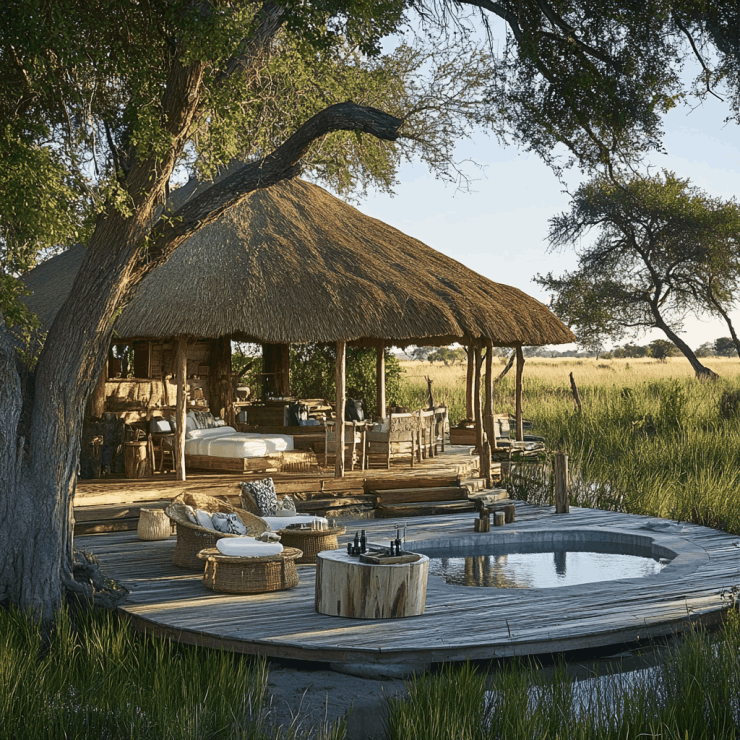
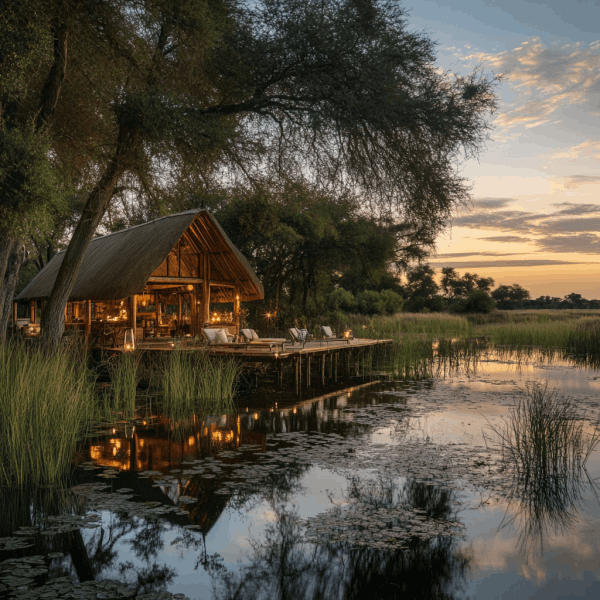
Botswana’s been a safari superstar forever, with its sprawling Okavango Delta, lion-packed Linyanti, and elephant-filled Chobe. But now, it’s stepping up with eco-safaris that blend high-end comfort with planet-saving smarts. New camps—like ones in the Khwai concession or near the Delta’s heart—are built with sustainability at their core. We’re talking 100% solar power, greywater recycling, and tents that can be packed up without a whisper of environmental harm. One camp I read about on X even turns veggie scraps into methane for cooking. Wild, right?
lwesj-0f6baa-bf0cad
You’ll stay in plush tents with private plunge pools, eat farm-to-table meals, and go on game drives with guides who know every leopard’s favorite tree. Prices start around €400 a night, not cheap, but your stay funds anti-poaching patrols and community projects. A 2025 report I found says Botswana’s tourism employs 45% of the northern region’s people, so your trip’s doing real good.
What You’ll See and Do
These safaris aren’t just about snapping lion pics (though you’ll get plenty). You’ll glide through the Delta’s channels in a mokoro canoe, spotting hippos and crocs while your guide spills secrets about the ecosystem. Night drives in Linyanti reveal nocturnal critters like aardvarks, and walking safaris let you track rhinos with eco-rangers. One camp near Maun offers a talk with a wild dog researcher—super cool if you’re into predators.
I saw posts raving about “impact safaris,” where you visit projects like the Ecoexist Project, which helps farmers protect cattle from elephants with mobile bomas. Another highlight? Learning how lodges support locals, like buying crafts or veggies from nearby villages. It’s not just a vacation; it’s a front-row seat to conservation in action.
The Not-So-Glam Bits
Let’s keep it real—eco-safaris have hiccups. Getting to remote camps often means pricey charter flights (€200-€500 one-way from Maun). I goofed once, thinking I could drive to a Delta camp in a rental car—nope, roads turn to mush in the wet season. Book those flights early. Also, some users griped about spotty Wi-Fi in camps. If you need to stay connected, double-check with your lodge, but honestly, the digital detox feels pretty great.
Another catch? Peak season (June-August) books fast, and prices spike. A guide I messaged suggested shoulder seasons (April or November) for fewer crowds and better rates. Oh, and pack light—those small planes have strict luggage limits, and I learned the hard way with an overstuffed bag.
Why It’s Worth It
Botswana’s eco-safaris let you soak up Africa’s wild heart without the guilt. Your money helps protect endangered species—think rhinos, wild dogs, and the world’s biggest elephant herds—while supporting communities who live alongside them. Camps like Jao or Duba Plains are stunning, with luxe tents and views of lagoons teeming with wildlife. You’ll leave with stories: maybe you helped monitor a cheetah’s tracks or shared a beer with a ranger who’s fought poachers for a decade