The Breaking Point
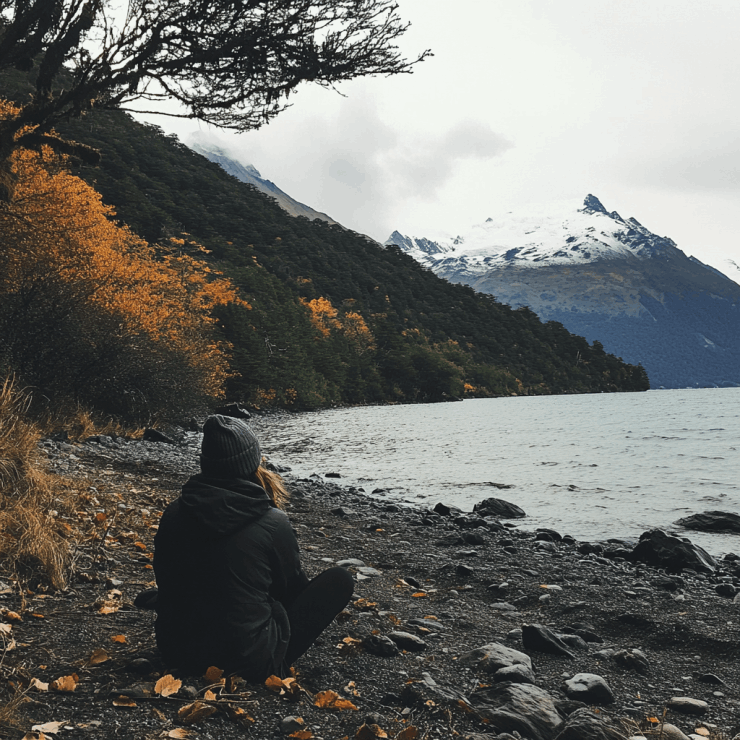
I’d been grinding in a tech startup for years—12-hour days, constant pings, the works. By late 2024, I was a zombie, barely sleeping, snapping at friends, and forgetting what “fun” felt like. My therapist suggested a break, but a Netflix binge wasn’t gonna cut it. Then I saw a random post about Patagonia’s glaciers and peaks, and something clicked. I booked a trip to Chile’s Torres del Paine National Park on a whim, no real plan, just a desperate need to feel alive again.
The Journey Begins
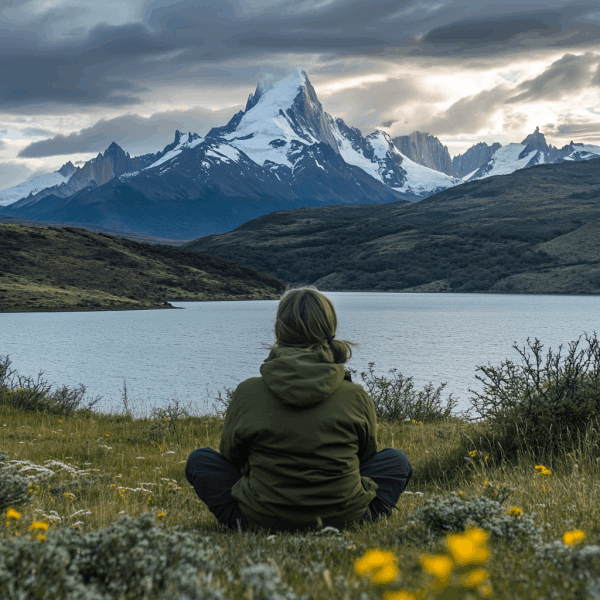
Landing in Punta Arenas, I felt like I’d stepped onto another planet. The air was crisp, the mountains loomed like giants, and my phone had no signal—bliss. I joined a small guided trek, just six of us, led by a Chilean guide who knew every trail like his backyard. Our first day was a 10-mile hike to the base of the famous granite towers, the Torres del Paine. My legs screamed, my lungs burned, but every step felt like shedding a layer of stress. The turquoise lakes and windswept valleys? Straight out of a dream.
By night, we camped under the clearest sky I’d ever seen. No light pollution, just stars so bright they felt close enough to touch. I lay there, wrapped in a sleeping bag, listening to the wind and feeling… free. For the first time in years, I wasn’t thinking about work. I was just there.
The Turning Point
Day three was the game-changer. We hiked to Grey Glacier, this massive wall of ice that creaks and groans like it’s alive. I sat on a rock, watching chunks of ice float by, and started crying—not sad tears, but the kind that come when you realize you’re still capable of feeling awe. Our guide shared stories about Patagonia’s history, the indigenous Tehuelche people, and how the land’s rawness humbles everyone. “This place doesn’t care about your emails,” he joked. And he was right.
I started journaling by the campfire, something I hadn’t done since college. Words poured out—fears, dreams, all the stuff I’d buried under deadlines. One night, a German hiker in our group opened up about his own burnout. We swapped stories, laughed, and realized we weren’t alone. That connection, out in the middle of nowhere, was everything.
The Real Stuff (and a Few Hiccups)
Look, Patagonia’s not a walk in the park. The weather’s wild—one minute sunny, the next you’re soaked. I packed wrong and ended up buying an overpriced rain jacket in Puerto Natales. Pro tip: bring waterproof gear and good boots. Also, the trails can be brutal if you’re not fit—my gym membership was mostly for show, so I struggled. Start training a bit before you go.
Booking was a bit of a pain too. Some users warned about sketchy tour operators, and yeah, I had to triple-check my guide company’s reviews. Stick with ones certified by local tourism boards. Oh, and flights to Punta Arenas aren’t cheap—mine cost €800 from Europe—but hostels and camping keep the trip affordable once you’re there.
Why Patagonia Saved Me
Patagonia didn’t just give me a break; it gave me perspective. Hiking 50 miles over a week, eating simple meals, and ditching my phone made me feel human again. The vastness of the place—glaciers, mountains, endless skies—put my problems in their place. They weren’t gone, but they felt smaller, manageable. I came back with a spark I hadn’t felt in years, even started saying “no” to extra work without guilt.