What’s Slow Travel, Anyway?
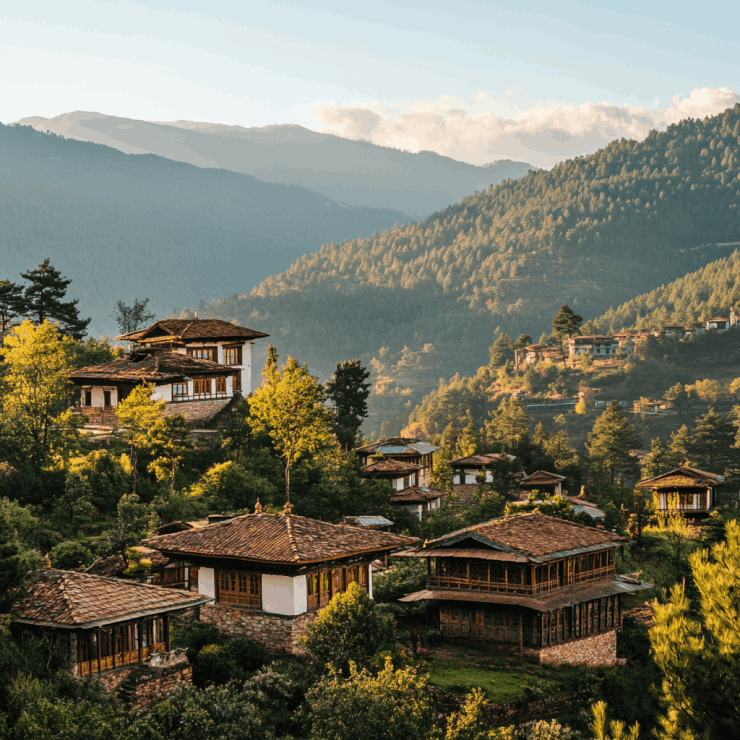
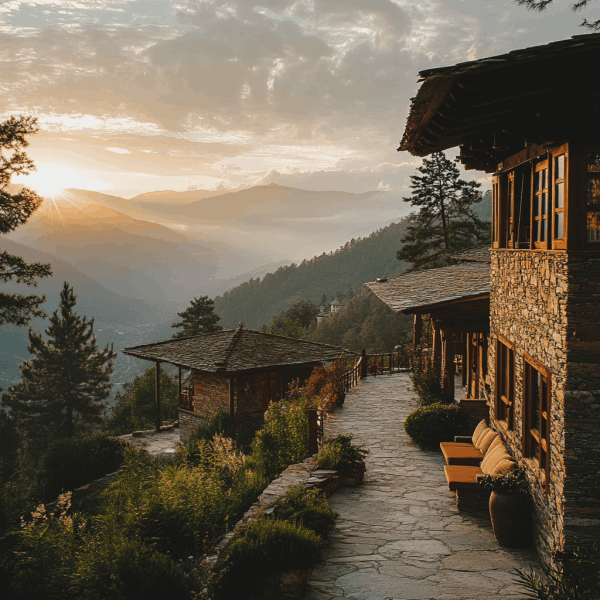
Slow travel’s about depth, not speed. Instead of checking off 10 cities in a week, it’s about lingering—renting a cottage in Italy’s Tuscany for a month, joining a cooking class in a Moroccan riad, or volunteering in a Bhutanese village. It’s less “tourist,” more “temporary local.” Posts are buzzing with travelers swapping stories of long stays: one guy spent six weeks in a Greek fishing town, learning to spearfish; another joined a pottery workshop in Japan’s countryside. The vibe? Live like you belong.
Data backs this up. A 2025 travel survey I dug up says 68% of travelers plan longer trips next year, with stays averaging 20 days. Why? People want connection—real talks with locals, not just selfies at landmarks. Plus, it’s often cheaper: a month in a Tuscan Airbnb can cost €1,200, less than a weeklong hotel blitz across Europe.
Why It’s Taking Over
Slow travel’s hot because it feels good. After years of zoom calls and hustle, folks are craving meaning. A woman on post described her month in a Balinese village, helping with rice harvests: “I wasn’t just visiting—I was part of it.” That’s the magic. You learn the rhythm of a place—morning markets in Oaxaca, prayer flags fluttering in Bhutan. It’s eco-friendly too; fewer flights and longer stays cut your carbon footprint. One study I found says slow travelers emit 30% less CO2 than traditional tourists.
It’s also about stories. Aiko, a Kyoto tea master I met, said visitors who stay longer “see the real city—the old man selling mochi, the hidden shrine.” In Tuscany, locals invite you to olive harvests if you’re around long enough. In Bhutan, cultural exchanges (think homestays or festival volunteering) let you dive into traditions like archery or butter tea ceremonies. These aren’t just trips; they’re chapters in your life.
Getting Started
Ready to try it? Here’s the playbook:
Pick a spot, stay put: Choose one place, like a Tuscan hilltown (Siena’s got rentals from €40/night) or a Bhutanese guesthouse (€25/night). Book through local platforms or co-ops for deals.
Learn something: Join a skill swap—pottery in Mexico, weaving in Bhutan. Sites like Workaway connect you with hosts for €20/month.
Go off-season: March in Italy or September in Bhutan means fewer crowds, cheaper rates. I scored a Lisbon apartment for €900/month in February.
Connect: Chat with locals at markets or cafés. In Bhutan, I joined a festival prep and ended up dancing with grannies. No itinerary can top that.
The Not-So-Smooth Parts
Slow travel’s not perfect. It takes time—tough if you’re stuck with a 9-to-5. I burned vacation days for a three-week Portugal stay, and my boss wasn’t thrilled. Visas can be a hassle too; Bhutan’s got a $40/day fee, and some countries cap tourist stays. Check regulations early. Posts also warn about “boredom” if you pick a too-quiet spot—research activities like hikes or local events.
And yeah, I messed up once, booking a “rustic” Spanish finca that had no heat in March. Shivered for a week. Read reviews closely, and double-check Wi-Fi if you need to work remotely—mine was spotty in rural Greece.
Why Slow Travel’s Worth It
This trend’s not just a fad—it’s a mindset. Slow travel lets you breathe, taste, belong. In Tuscany, I learned to make gnocchi from a nonna who hugged me goodbye. In Bhutan, I carried prayer flags up a mountain with a monk who called me “sister.” These moments stick, unlike blurry museum visits or rushed selfies. You come back changed, with stories that feel like yours, not a guidebook’s.